Understanding Sperm Health and What Affects It
by Bourn Hall Team
Why male fertility matters
Male factors contribute to infertility in a substantial proportion of couples. A simple semen analysis is often the first — and most informative — step in understanding sperm health.
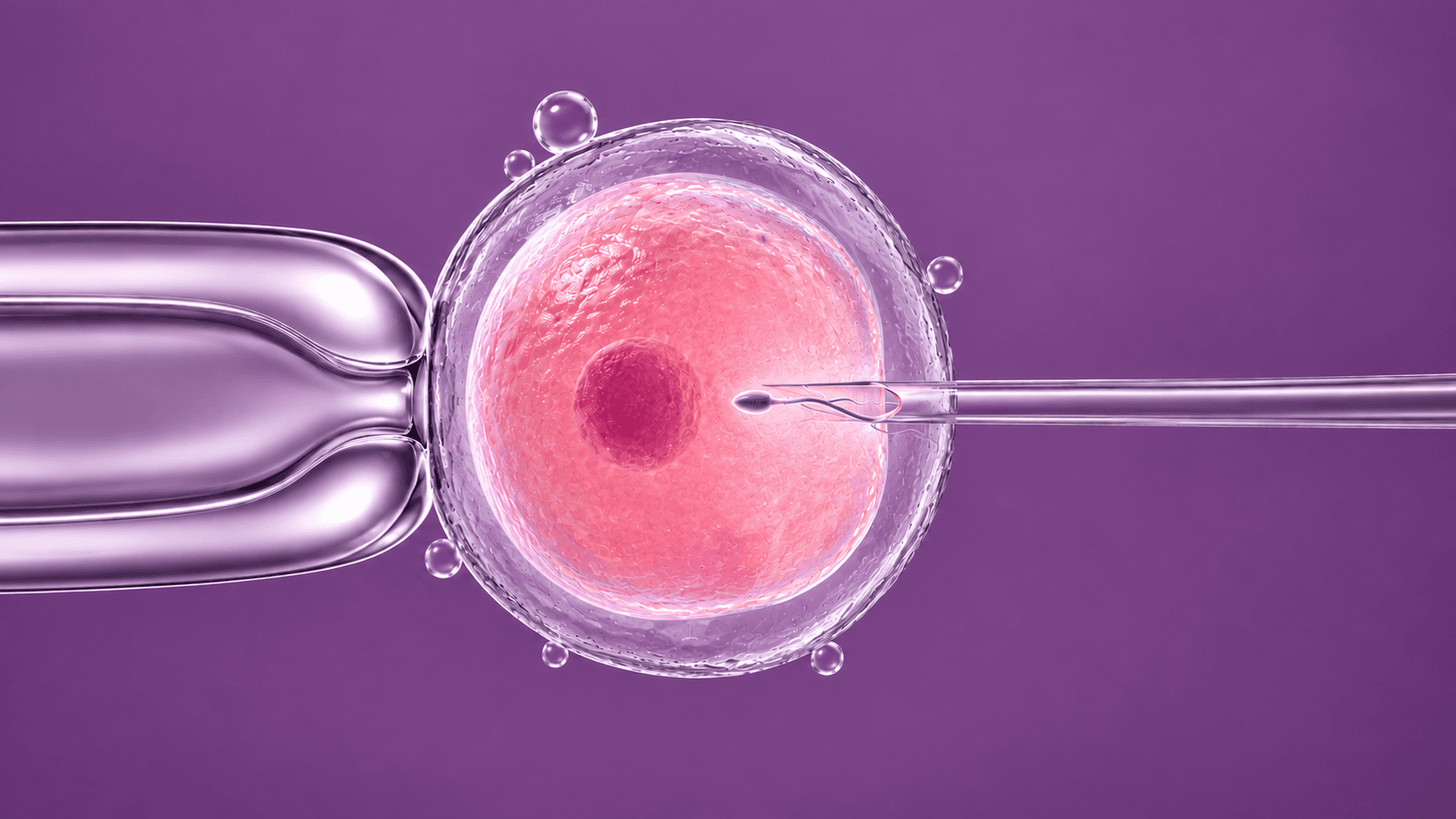
Good news: many causes of reduced sperm quality can be improved with lifestyle changes, medical treatment, or assisted conception techniques such as ICSI.
What semen analysis measures
A standard report typically includes:
- Sperm count (concentration) — how many sperm are present
- Motility — how well sperm move
- Morphology — the proportion with a normal shape
- Volume and liquefaction — semen fluid characteristics
Results are compared with laboratory reference ranges. One abnormal sample does not always mean infertility — repeat testing is common before conclusions are drawn.
Factors that influence sperm health
1. Lifestyle
- Smoking, excess alcohol, and recreational drugs
- Obesity and poor diet
- Heat exposure (hot tubs, prolonged laptop use on the lap)
- Anabolic steroid use
2. Medical and hormonal causes
- Varicocele, infections, or previous testicular injury
- Hormonal imbalances affecting testosterone or FSH/LH
- Genetic conditions in selected cases
- Certain prescription medications
When further testing is recommended
If semen parameters remain abnormal, your specialist may suggest hormone blood tests, scrotal ultrasound, sperm DNA fragmentation testing, or a urology review.
- Identify treatable causes
- Guide lifestyle or medical interventions
- Decide whether IUI, IVF, or ICSI is most appropriate