Genetic Testing of Embryos: What Couples Should Know
by Bourn Hall Team
Understanding PGT
Preimplantation genetic testing (PGT) analyses cells from an embryo before transfer. It can help identify chromosomal or genetic conditions so couples can make informed choices about which embryos to transfer.
PGT is an option for some IVF patients — not a routine step for everyone. Suitability depends on your history, age, and clinical advice.
Types of testing
1. PGT-A (aneuploidy)
Screens embryos for missing or extra chromosomes. Sometimes discussed for advanced maternal age, recurrent miscarriage, or repeated implantation failure.
2. PGT-M (monogenic)
Looks for a specific inherited genetic condition when both partners (or one partner) are known carriers of a serious single-gene disorder.
3. PGT-SR (structural rearrangements)
Used when a partner carries a chromosomal rearrangement that can affect embryo viability.
How the process works
In broad terms:
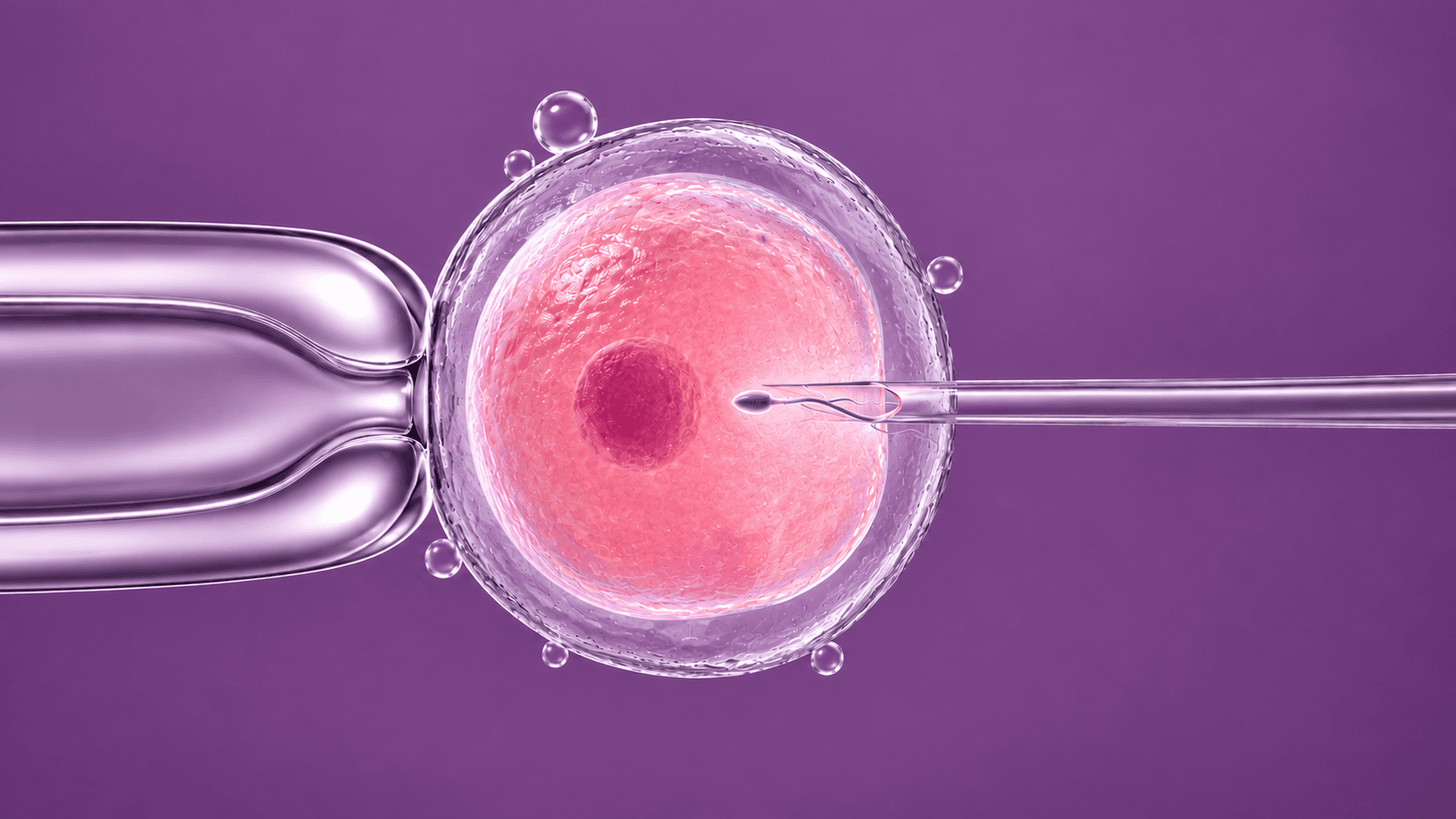
- IVF or ICSI creates embryos in the laboratory
- A few cells are biopsied from a blastocyst-stage embryo
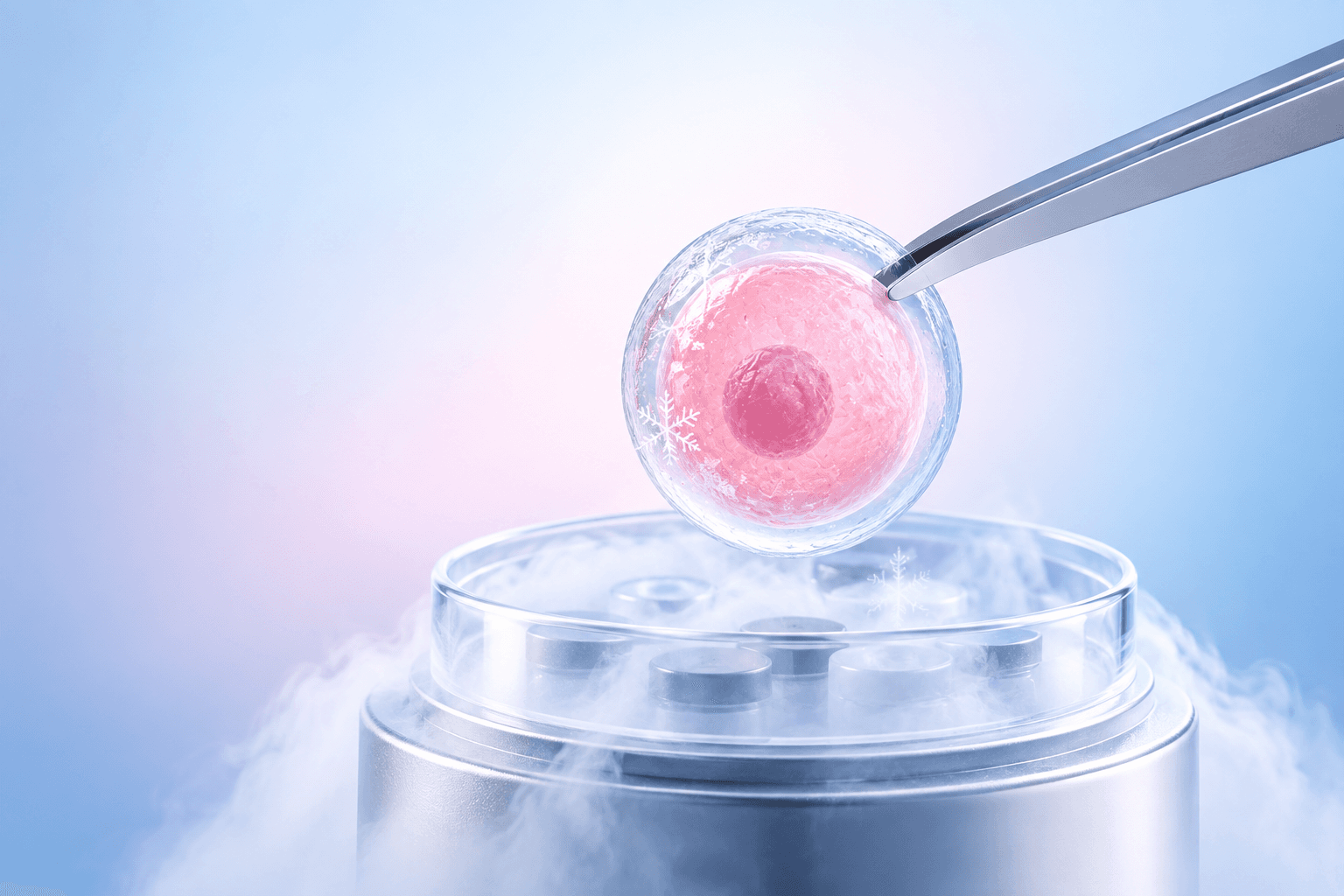
- Embryos are usually frozen while results are analysed
- A euploid or unaffected embryo may be selected for transfer
Biopsy and testing add time and cost to a cycle. Your team will explain benefits, limitations, and alternatives before you decide.
Important limitations
PGT cannot guarantee a healthy baby or a successful pregnancy. Mosaic results can be complex to interpret, and not every embryo will be suitable for testing or transfer.
- Results guide selection — they do not replace prenatal care
- Genetic counselling is recommended for PGT-M and complex findings
- Decisions should always be made with your fertility specialist