ICSI Explained: When Micro-Injection Helps
by Bourn Hall Team
IVF vs ICSI
In conventional IVF, eggs and sperm are placed together in the laboratory so fertilisation can occur naturally.
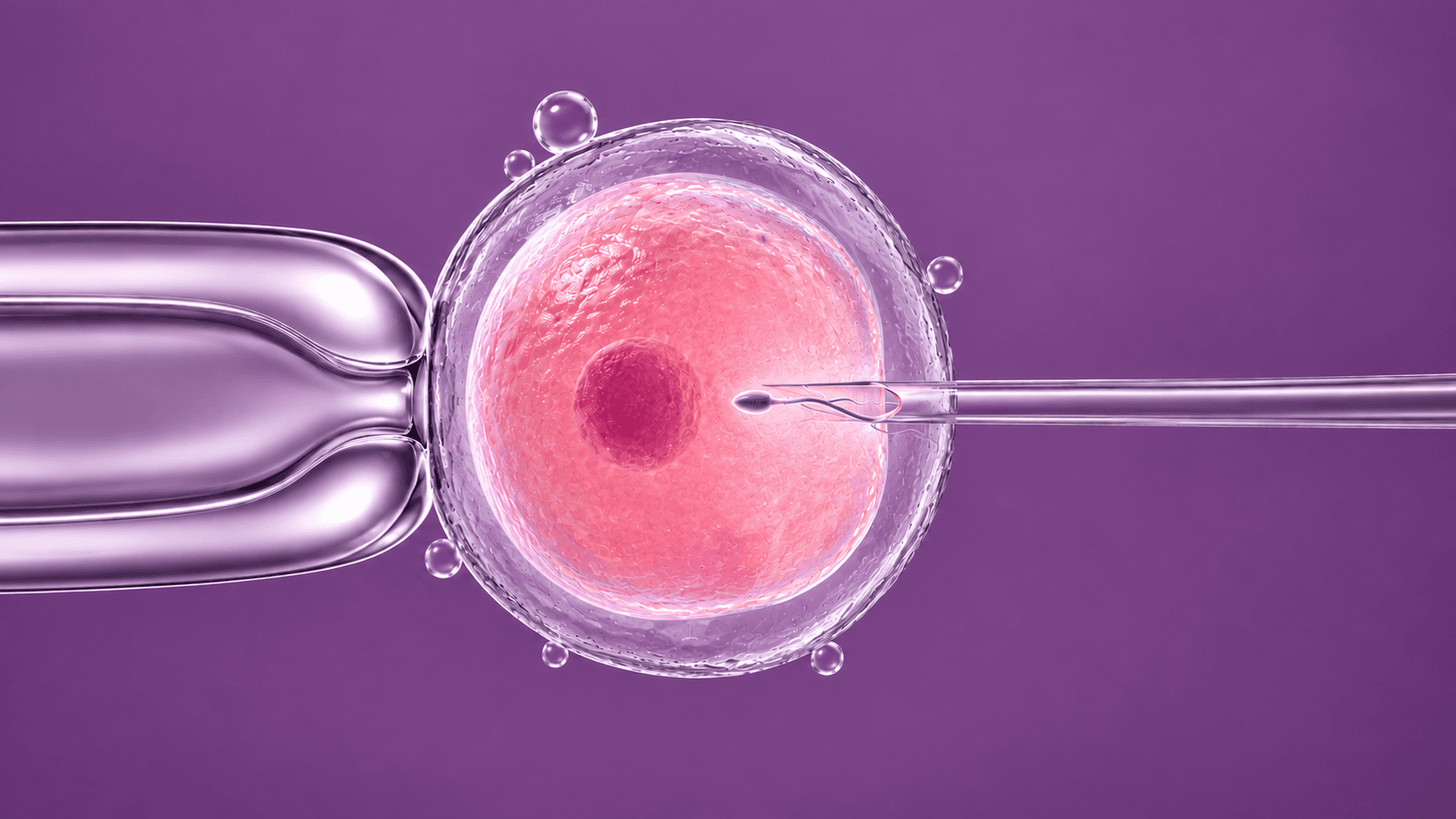
ICSI (Intracytoplasmic Sperm Injection) takes a more precise approach: an embryologist injects a single sperm directly into each mature egg. This is especially helpful when sperm numbers or movement are limited.
When ICSI is often recommended
- Low sperm count, motility, or morphology
- Previous fertilisation failure with conventional IVF
- Sperm retrieved surgically from the testis or epididymis
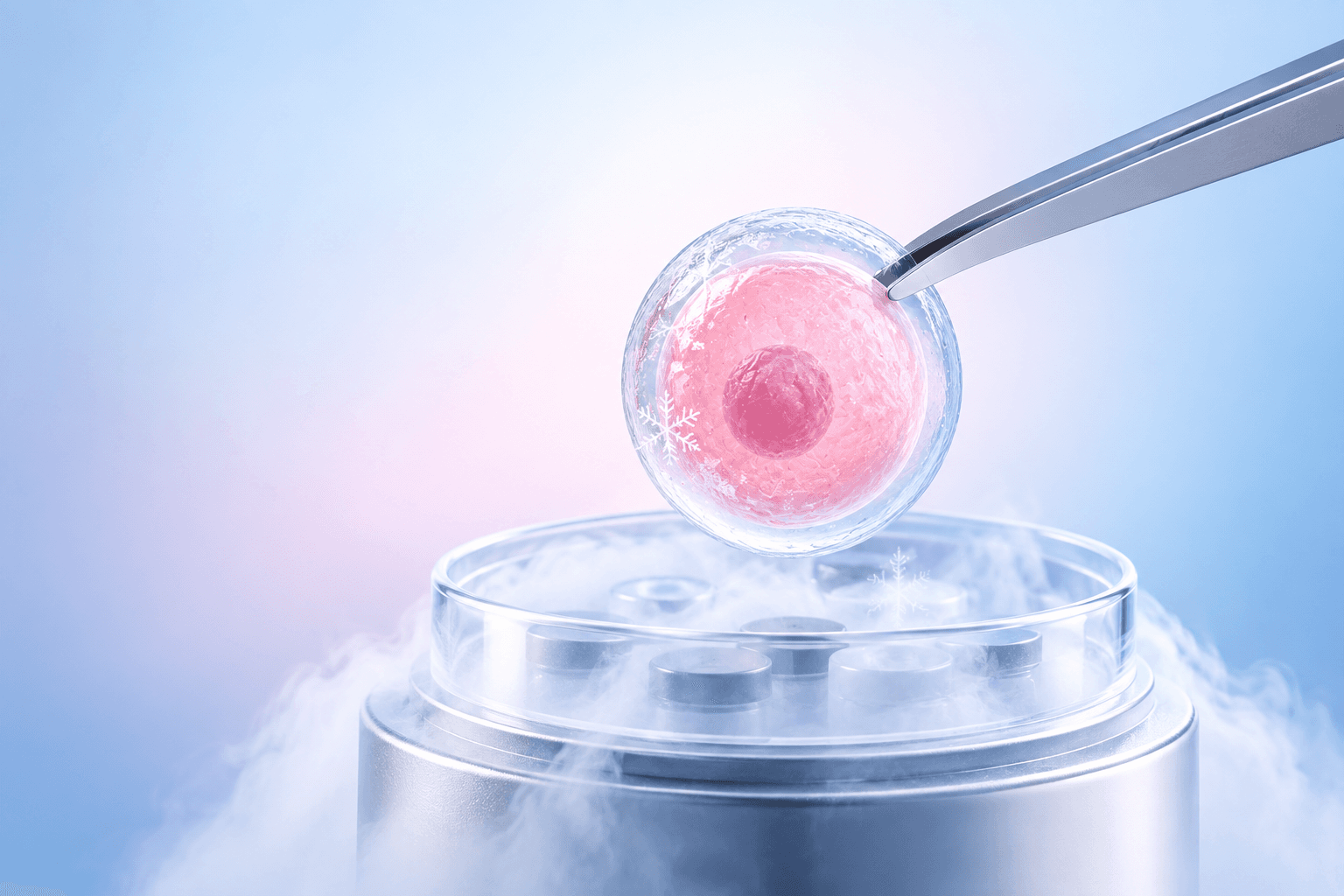
- Use of frozen-thawed eggs
- Selected cases after specialist review of fertilisation history
What happens in the lab
1. Egg collection
Eggs are retrieved after stimulation, just as in a standard IVF cycle.
2. Sperm preparation
Sperm are prepared in the lab. The embryologist selects sperm that appear most suitable for injection.
3. Micro-injection and culture
Each mature egg is injected with one sperm, then cultured. Embryologists monitor fertilisation and embryo development before transfer or freezing.
What to expect from outcomes
ICSI improves the chance of fertilisation when sperm factors are the main barrier. It does not guarantee pregnancy — embryo quality, age, and uterine factors still matter.
Your specialist will explain whether ICSI, conventional IVF, or a combination approach best fits your diagnosis, so you can decide with clear information.