How to Prepare for Your IVF Cycle
by Bourn Hall Team
Before stimulation begins
Preparation supports both physical readiness and peace of mind. Your care team will confirm that investigations are complete and explain the medication schedule in clear steps.
- Complete outstanding blood tests, ultrasound, and semen analysis
- Review consents and storage agreements if embryos may be frozen
- Confirm pharmacy supply and injection training if needed
- Plan work, travel, and childcare around key clinic visits
Lifestyle steps that can help
No lifestyle change guarantees success, but small habits support overall reproductive health for both partners:
- Aim for a balanced diet and a healthy body weight
- Stop smoking and limit alcohol
- Take folic acid (and any supplements your doctor recommends)
- Moderate exercise; avoid extreme training mid-cycle unless advised
- Prioritise sleep and stress-management routines that work for you
Understanding the IVF timeline
1. Ovarian stimulation
Daily injections encourage multiple follicles to grow. Monitoring scans and blood tests guide dose adjustments.
2. Egg collection
Eggs are retrieved under sedation. Most people go home the same day with clear aftercare advice.
3. Fertilisation and transfer
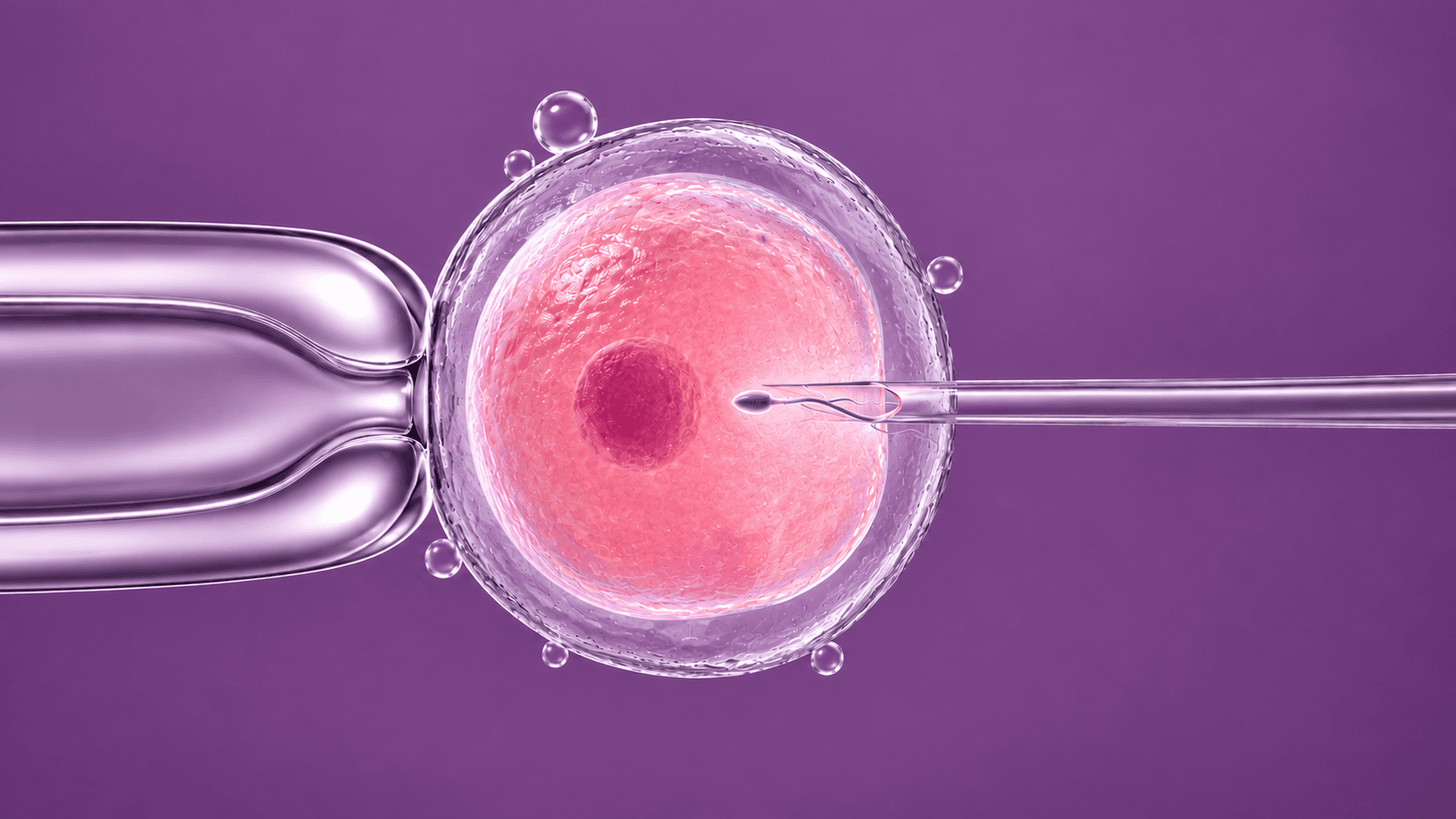
Eggs are fertilised with IVF or ICSI. An embryo may be transferred a few days later, or embryos may be frozen for a future cycle.
Emotional readiness
IVF can be hopeful and demanding at the same time. Ask your team about counselling, nurse check-ins, and how partners can share the load. Knowing what to expect at each stage often reduces anxiety more than trying to “stay positive” alone.