How Age Affects Female Fertility: What You Need to Know
by Bourn Hall Team
Why age matters
Women are born with a finite number of eggs. Over time, both egg quantity and quality decline — which is why age is one of the strongest predictors of natural conception and IVF outcomes.
This does not mean pregnancy is impossible later in life, but it does mean timing, testing, and treatment choices deserve an honest conversation with a specialist.
How fertility changes over time
1. Under 35
Most people in this age group still have relatively good ovarian reserve. If conception has not occurred after 12 months of trying (or sooner with known risk factors), testing is still worthwhile.
2. Ages 35–37
Egg quality begins to decline more noticeably. Many clinics recommend earlier evaluation — typically after six months of trying — so options are not delayed.
3. Ages 38 and above
Ovarian reserve and egg quality continue to fall. Personalised testing (AMH, FSH, antral follicle count) helps set realistic expectations and guide whether IVF, ICSI, or donor options should be discussed.
What testing can tell you
Ovarian reserve tests do not predict pregnancy on their own, but they help frame decisions:
- AMH (Anti-Müllerian Hormone) — estimates remaining egg supply
- Antral follicle count (AFC) — ultrasound measure of small follicles
- FSH and estradiol — day-2/3 hormones related to ovarian function
Your specialist will interpret these alongside age, cycle history, and partner factors — never as a single number in isolation.
Options if you are delaying pregnancy
- Fertility assessment to understand your baseline
- Egg freezing (vitrification) for fertility preservation
- Embryo freezing if you have a partner and wish to create embryos now
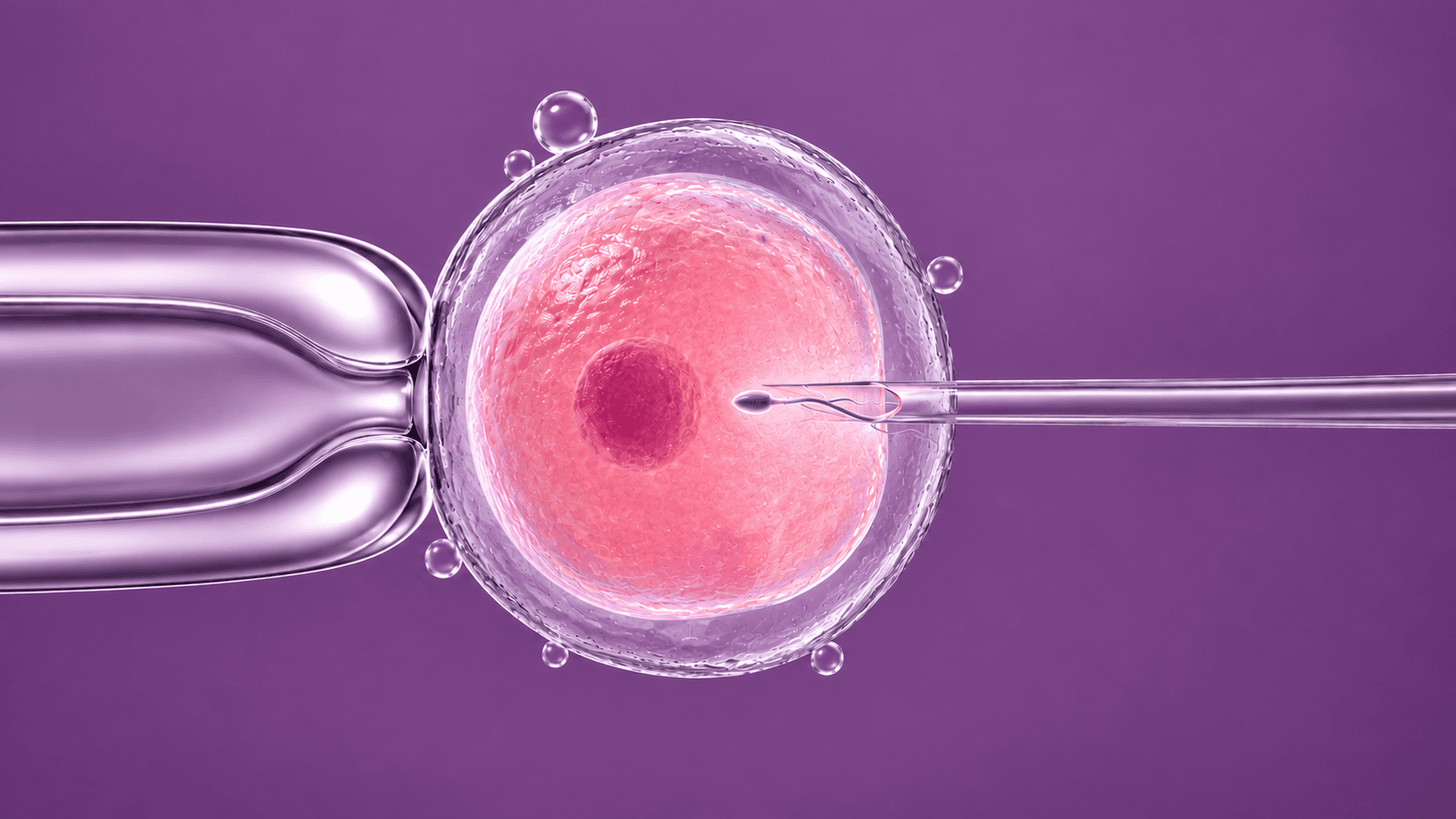
- Timely IVF or ICSI if you are ready to conceive
The right path depends on your age, reserve, medical history, and personal goals. A consultation is the best place to weigh those factors together.